
In a world increasingly focused on individual health and wellbeing, the concept of community wellness is gaining traction. LotsOfPower, a community-oriented organization, exemplifies how local collaboration can enhance health outcomes for all. By fostering an environment that emphasizes collective wellbeing, LotsOfPower aims to uplift individuals while strengthening the community as a whole. This article delves into the core aspects of community wellness, the importance of wellness programs, and practical strategies for cultivating a thriving wellness community.
Understanding Community Wellness
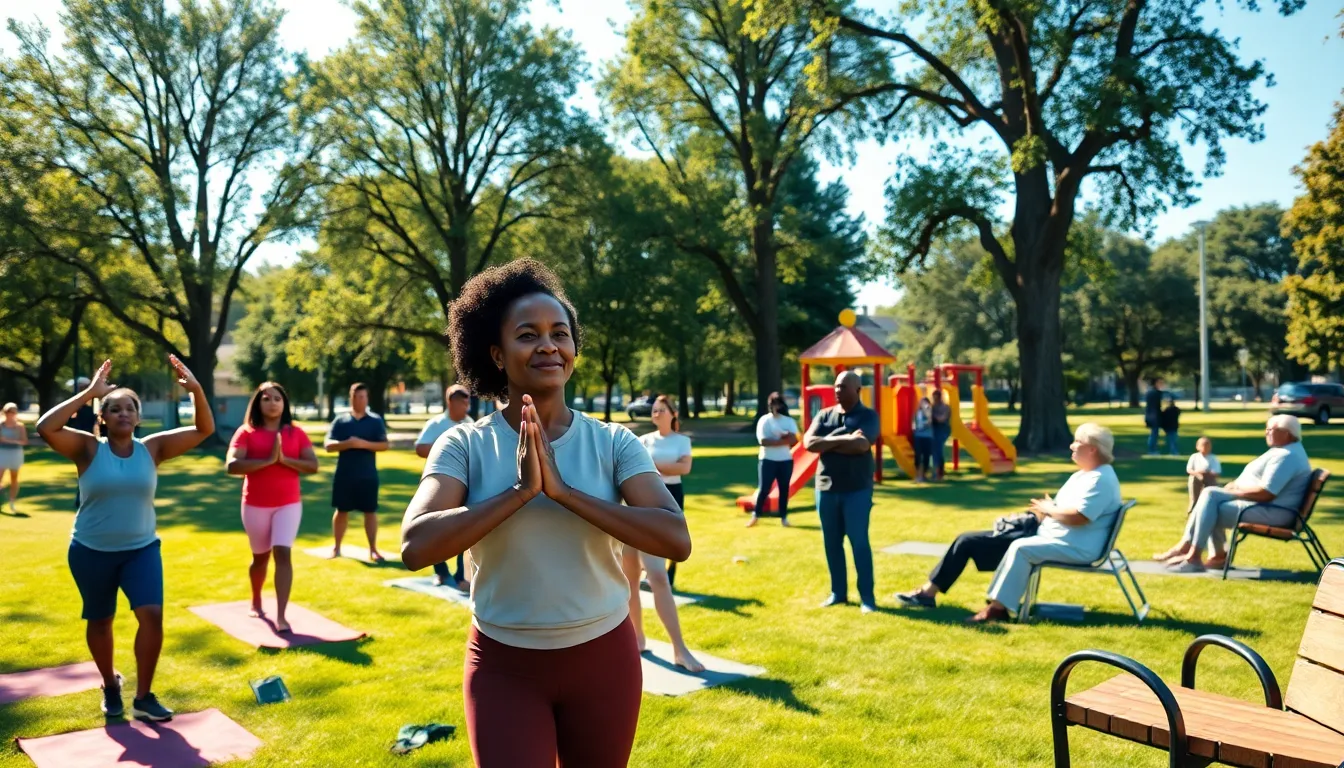
Community wellness encompasses the physical, mental, and social health of a community as a collective unit. It recognizes that individuals do not exist in isolation: their health is deeply influenced by their environment, relationships, and shared resources. nnIn essence, community wellness takes a holistic approach, focusing on the interconnectedness of individuals within their surroundings. Factors such as access to healthcare, social support systems, economic stability, and the environment play crucial roles in shaping community health outcomes. nnCommunities that prioritize wellness tend to foster a culture of mutual support, leading to improved mental health, lower rates of chronic disease, and enhanced overall quality of life.
The Importance of Community Wellness Programs
Community wellness programs serve as the backbone for promoting health and wellbeing among residents. These initiatives can range from exercise classes and nutrition workshops to mental health resources and preventive healthcare screenings. nn1. Access to Resources: Community wellness programs improve access to essential health services and resources, especially for underserved populations. n2. Education and Awareness: They foster awareness about health issues and empower individuals with knowledge to make informed decisions. n3. Social Cohesion: By bringing people together, these programs create a sense of belonging and community spirit, which is vital for mental and emotional health. n4. Preventive Care: Community wellness initiatives often focus on prevention, helping to reduce the incidence of chronic illnesses and promoting healthier lifestyles. nnBy offering a range of services and support mechanisms, community wellness programs contribute significantly to the overall health and vitality of the area.
Components of a Successful Wellness Community
For a wellness community to thrive, several key components must be in place: nn1. Strong Leadership: Effective leaders are essential for inspiring and organizing community wellness initiatives. They help articulate a clear vision and mobilize resources. n2. Inclusive Participation: A successful wellness community encourages the participation of diverse populations. This inclusivity ensures that the needs and preferences of all members are considered. n3. Access to Facilities: Availability of community centers, parks, and recreational spaces can significantly enhance wellness efforts by providing venues for activities. n4. Collaborative Partnerships: Collaborations between local organizations, businesses, and healthcare providers can amplify the reach and effectiveness of wellness programs. n5. Ongoing Assessment: Regular evaluations help to identify areas for improvement and adapt strategies as community needs evolve.
Engaging Community Members in Wellness Initiatives
Engaging community members is crucial for the success of any wellness initiative. Here are some effective strategies: nn1. Listen and Learn: Conduct surveys or focus groups to gather input from community members about their health concerns and interests. n2. Offer Incentives: Providing incentives such as discounts, rewards, or recognition can encourage participation in wellness programs. n3. Create Welcoming Environments: Ensure that wellness programs are accessible and welcoming to all community members, regardless of their background or abilities. n4. Use Technology: Digital platforms can enhance engagement, allowing members to participate in virtual events or access educational resources online. n5. Celebrate Success: Acknowledge and celebrate milestones and successes within the community, reinforcing the value of participation and encouraging ongoing involvement.
Overcoming Challenges in Community Wellness
Community wellness initiatives face various challenges, but understanding and addressing these can lead to more effective solutions: nn1. Limited Resources: Securing funding and resources can be difficult. Partnering with local businesses and organizations can provide financial support. n2. Resistance to Change: Some community members may be hesitant to participate in new programs. Educative efforts to demonstrate the benefits of participation can help mitigate resistance. n3. Cultural Barriers: Different cultural backgrounds can influence perceptions of health and wellness. Tailoring programs to respect and incorporate diverse cultural values can foster inclusivity. n4. Communication Gaps: Effective communication is essential to inform the community about available services. Utilizing multiple channels, such as social media, newsletters, and local events, can enhance outreach. n5. Changing Dynamics: Communities are not static: as demographic and socioeconomic factors evolve, wellness programs must adapt to meet new needs.
Success Stories from LotsOfPower Community
The LotsOfPower community has witnessed numerous success stories that underscore the impact of their wellness initiatives: nn- Health Fair Initiatives: LotsOfPower organized a health fair that provided free screenings and educational workshops. Over 300 residents attended, leading to early detection of chronic conditions for many participants. n- Wellness Walking Groups: Weekly walking groups have helped participants not only improve their fitness levels but also forge new friendships, creating a supportive network among members. n- Nutrition Workshops: Engaging workshops focusing on healthy eating have transformed the dietary habits of many community members, contributing to improved overall health outcomes. nnThese examples reflect the tangible benefits of community wellness programs and offer invaluable lessons for other communities looking to initiate similar efforts.
Conclusion
Community wellness is a vital aspect of public health that fosters collective well-being through shared resources and support. The LotsOfPower community stands as a model of how effective wellness programs can enrich lives, build resilience, and enhance the overall quality of life. By engaging members, overcoming challenges, and celebrating successes, communities can create environments that prioritize health and wellness for everyone.